Back-End Development and Email Automation: How They Work Together
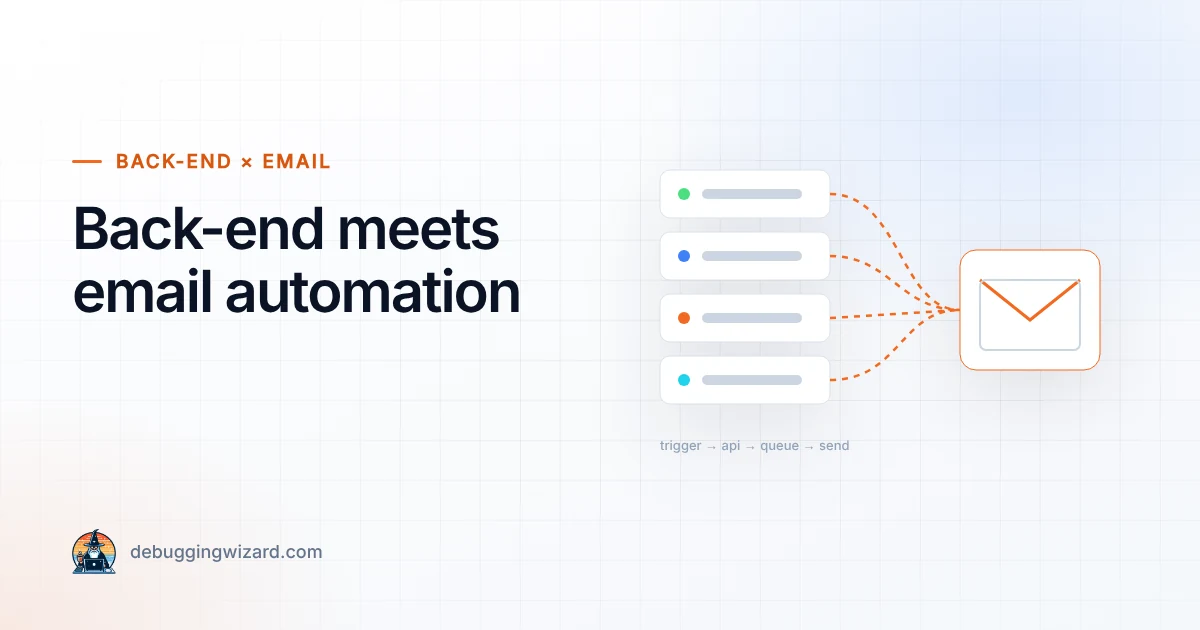
In today’s digital world, businesses rely on email automation to send everything from welcome emails and password resets to newsletters and…
Read article
When you open a website or app, you usually notice the design, buttons, images, and text, that’s the front end. But behind every button you click or form you submit, there’s an invisible system at work making everything function smoothly. That system is the back end.
If the front end is the “face” of a website, the back end is the brain and engine that powers it. In this guide, we’ll break down what back-end development is, how it works, and why it matters.
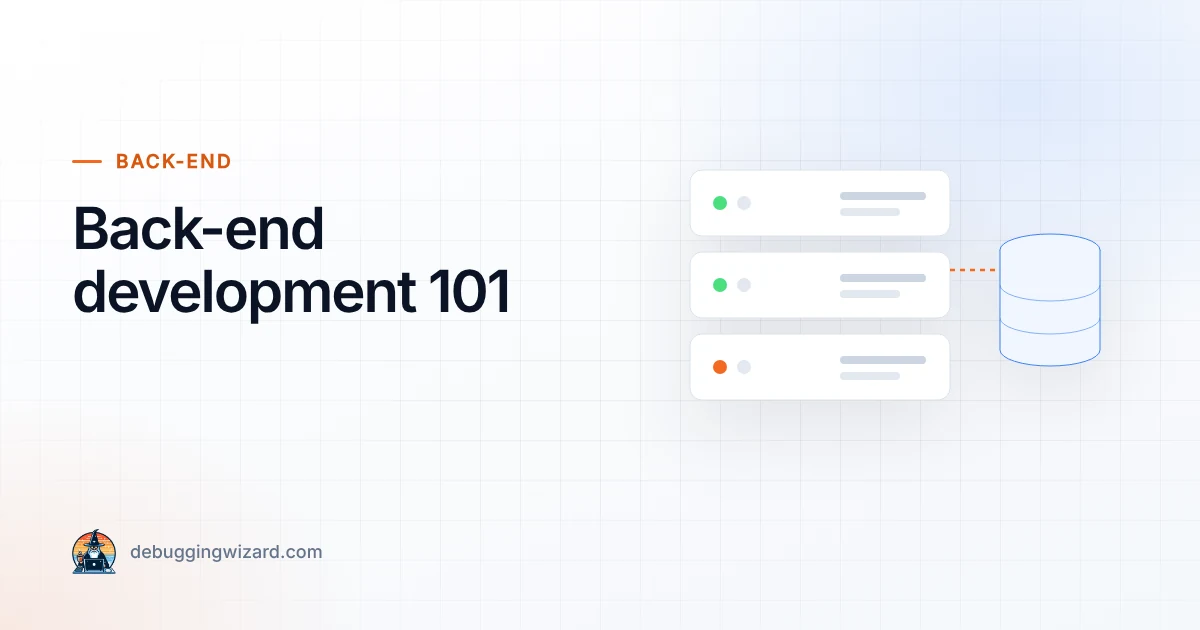
Back-end development is all about the parts of a website or application that users don’t see directly. It focuses on the server, databases, and application logic that make sure the front end works properly.
In simple terms:
When you log into Facebook, the front end shows you the login form. The back end checks your username and password against a database, and if everything matches, it loads your account.
1. Servers 🖥️
Servers are powerful computers that host your website or app and deliver it to users. They process requests (like fetching your profile data) and send responses back to the front end.
2. Databases 💾
Databases are where websites store information.
SQL databases (like MySQL, PostgreSQL) organize data in tables.
NoSQL databases (like MongoDB) store data in flexible formats.
Example: An e-commerce site stores product details, user accounts, and order history in a database.
3. APIs (Application Programming Interfaces) 🔗
APIs are the messengers between the front end and the back end.
When you search for flights, an API fetches results from the database.
When you submit a form, the API tells the server what to do with the data.
4. Programming Languages & Frameworks 👩💻
Back-end developers use languages like:
Without the back end, websites would just be static pages with no real functionality. The back end is what makes sites:
Netflix → back end delivers video files, manages accounts, and recommends shows.
Online Banking → back end processes transactions, updates balances, and secures data.
Food Delivery Apps → back end tracks orders, matches drivers, and updates restaurants.
Learn a Programming Language → Node.js or Python are beginner-friendly.
Understand Databases → practice with MySQL or MongoDB.
Build Small Projects → like a login system or a notes app.
Explore APIs → connect your front end with a back end.
Practice Deploying → host your app on platforms like Heroku, Render, or AWS.
Back-end development is the engine room of the internet. It may be invisible to users, but without it, websites and apps wouldn’t function at all.
If you’re just starting, focus on learning the basics of servers, databases, and APIs. Then, try building small projects to connect what you learn. Step by step, you’ll move from beginner to confident back-end developer, powering the web from behind the scenes.
Founder & Lead Engineer at Debugging Wizard. Writes about web development, email engineering and keeping business tech running smoothly.
In today’s digital world, businesses rely on email automation to send everything from welcome emails and password resets to newsletters and…
Read articleINP measures how fast your site responds to clicks and taps, and it is a Core Web Vital. What causes poor scores and the fixes that work, including…
Read articleSince June 2025, many businesses selling online to EU consumers must have accessible websites. Who is covered, what “accessible” means and a…
Read articleTell us what’s slowing you down, we’ll reply within one business day with a clear plan.